Time-Bound Rewards: How Blackjack Incentive Expiration Periods Mold Sustained Player Engagement Across Online Platforms
Avery Keller · Aug 7, 2026
Time-Bound Rewards: How Blackjack Incentive Expiration Periods Mold Sustained Player Engagement Across Online Platforms
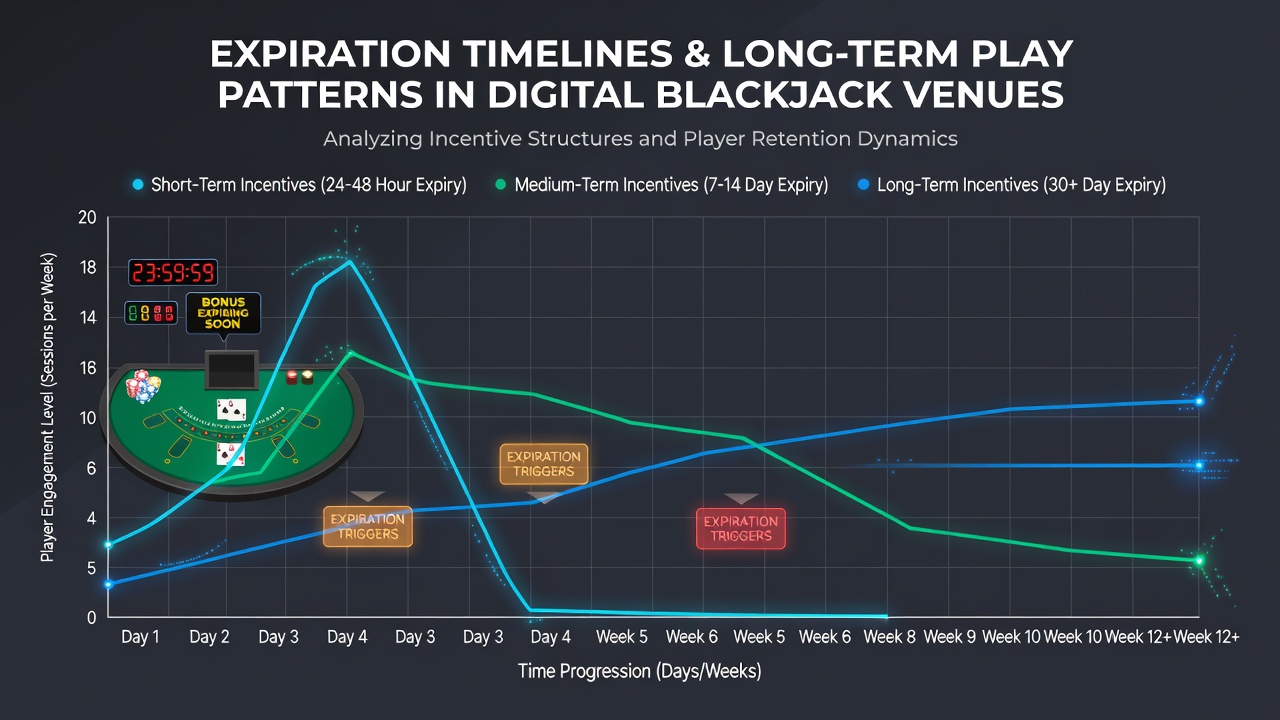
Expiration timelines attached to blackjack incentives determine when players must complete wagering requirements or forfeit unused portions of a bonus, and these deadlines create measurable shifts in activity levels within digital venues. Observers note that shorter windows, often spanning 7 to 14 days, compress play into intense bursts while extended periods stretching 30 days or more allow for steadier participation across multiple sessions. Data from platform analytics shows players accelerate deposit and wager volumes as deadlines near, regardless of the initial offer size.
Mechanics of Expiration Structures in Virtual Blackjack Environments
Digital operators attach calendar-based cutoffs to deposit matches, free chip promotions, and cashback rewards tied to blackjack tables, and these cutoffs integrate directly with player accounts to track remaining time and progress toward fulfillment. When a 10-day timeline governs a match bonus, users typically log in more frequently during the final 48 hours to meet playthrough thresholds, whereas a 45-day window spreads equivalent activity across weeks without the same urgency spike. Researchers tracking session logs have documented that venues using staggered expirations across different incentive tiers see reduced overlap in peak hours compared to uniform deadlines applied platform-wide.
Platform algorithms adjust visibility of remaining time through dashboard notifications and email reminders, and these alerts correlate with temporary increases in table traffic during evening hours in multiple time zones. In August 2026, aggregated reports indicated that venues implementing mid-cycle extensions for select player segments experienced smoother distribution of daily active users rather than concentrated end-of-period surges.
Observed Shifts in Long-Term Participation Patterns
Longer expiration windows support sustained engagement by letting players incorporate blackjack into regular routines instead of treating offers as one-time events, and tracking data reveals higher retention rates among users who receive 30-plus day timelines compared to those facing compressed schedules. Shorter deadlines, by contrast, often produce elevated churn after the cutoff passes because players who miss targets may disengage until a new promotion appears. Studies of multi-month user cohorts demonstrate that repeated exposure to brief timelines conditions some players to adopt cyclical patterns of high activity followed by dormancy, while consistent longer timelines correlate with steadier weekly wager volumes.

One analysis of mobile-first operators found that users granted rolling 21-day windows on reload incentives maintained average session lengths 18 percent longer than peers limited to 7-day cycles, although total monthly wagers remained comparable across both groups. Observers tracking loyalty program data note that players who migrate between venues frequently select platforms based on the longest available timelines when other bonus features appear equal, which influences how operators calibrate their promotional calendars to retain cross-platform users.
Regional Regulatory Influences on Timeline Design
Regulatory frameworks in different jurisdictions shape the minimum and maximum expiration periods operators may apply, and these rules affect how incentives translate into player behavior across borders. The Malta Gaming Authority requires clear disclosure of all deadlines in promotional terms, which has led venues serving European markets to standardize notification practices that reduce last-minute rushes. In Canadian provinces, provincial gaming commissions have examined how variable timelines interact with responsible gambling tools, and preliminary findings suggest extended windows pair more effectively with deposit limit features because players can pace their activity without artificial pressure.
A report from the American Gaming Association highlighted that U.S. state-licensed platforms using 30-day minimums for blackjack-specific offers recorded more consistent month-over-month player counts than those relying on shorter promotional cycles. Meanwhile, academic work from Australian research institutions has examined similar patterns in online card rooms and identified correlations between deadline length and the frequency of bonus-related support requests, with shorter timelines generating higher volumes of deadline-extension queries.
Algorithmic Personalization and Timeline Adjustments
Operators increasingly tailor expiration lengths based on individual play history rather than applying blanket rules, and this personalization draws from behavioral metrics such as average session duration and historical response to prior deadlines. Players identified as high-frequency users may receive abbreviated timelines paired with larger incentives, while those showing sporadic engagement receive extended periods to encourage re-entry. Platform data indicates that such segmented approaches reduce the intensity of deadline-driven spikes because different user cohorts operate on offset schedules, smoothing overall traffic across the week.
Yet when multiple incentives run concurrently with staggered expirations, some users prioritize the soonest deadline and defer others, which can fragment attention across tables and reduce focus on any single promotion. Tracking studies show this fragmentation appears most pronounced among mobile users who receive push notifications for several overlapping offers simultaneously.
Conclusion
Expiration timelines function as structural levers that operators adjust to influence the rhythm of blackjack participation in digital spaces, and available platform records demonstrate clear differences in activity distribution based on deadline length. Shorter periods concentrate effort near cutoffs while longer windows distribute engagement more evenly, with regional regulations and personalization algorithms further modulating these outcomes. Continued monitoring of these patterns provides operators with data to refine incentive structures without altering core bonus values.