Table Play Metrics Drive Evolution of Hybrid Bonus Systems in Multi-Property Casino Operations
Devon Bennett · Jul 31, 2026

Table Play Metrics Drive Evolution of Hybrid Bonus Systems in Multi-Property Casino Operations
Data collected from blackjack and other table games continues to alter how hybrid bonus structures distribute rewards through interconnected casino platforms, and operators track session lengths, bet sizing sequences, and outcome distributions to adjust promotional flows in real time. Research from the American Gaming Association indicates that networks integrating table analytics with slot and table hybrid offers saw measurable shifts in player retention rates during the first half of 2026.
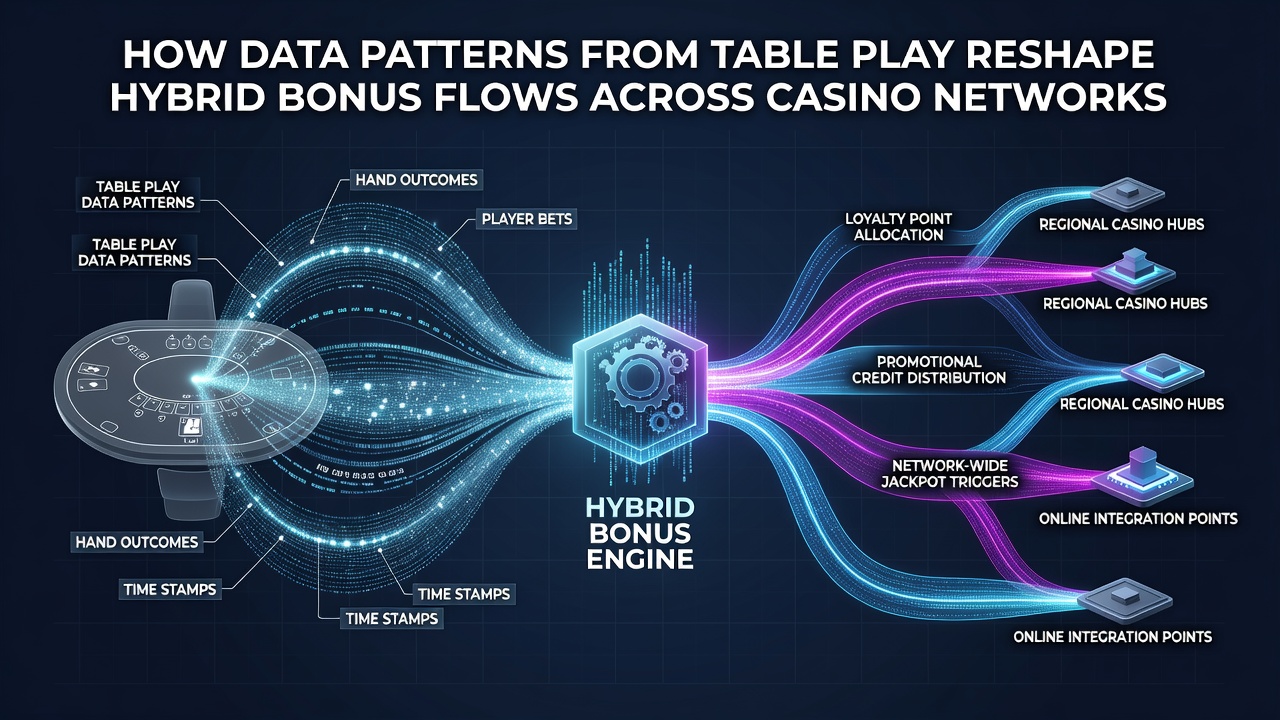
Analysts at major multi-state operators compile granular logs from card tables, then feed those datasets into algorithms that determine bonus eligibility across digital and land-based properties. When patterns show prolonged play at higher denominations, the systems often redirect portions of hybrid bonus pools toward reload offers or cashback mechanisms rather than initial deposit matches.
Core Data Inputs from Table Environments
Table play generates distinct signals compared with slot activity because each hand carries variable stakes, decision points, and duration metrics that software captures at the table level. Observers note that networks began expanding these capture points in late 2025, which allowed bonus engines to identify segments such as short-session recreational players versus extended high-volume participants. Those distinctions directly influence whether a hybrid bonus emphasizes free play credits on table games or shifts value toward slot-linked multipliers.
Figures released by the Nevada Gaming Control Board in July 2026 documented a 14 percent increase in cross-platform bonus redemptions tied to table-derived behavioral clusters. The data revealed that players whose table sessions exceeded forty-five minutes received targeted offers that combined table comps with slot spin packages more frequently than shorter-session cohorts.
Algorithmic Adjustments Across Networks
Hybrid bonus flows rely on real-time scoring models that weigh table play velocity against historical redemption rates. When datasets indicate rising average bet sizes at blackjack tables, operators often accelerate bonus release schedules to maintain participation levels across linked properties. This approach reduces the lag between table activity and bonus availability on mobile or remote platforms.
One network implemented a rule set that automatically scaled hybrid bonus percentages based on table hand counts logged within a rolling seven-day window. Players meeting minimum thresholds saw their slot-linked cashback portions increase while table-specific match offers decreased proportionally, creating a dynamic balance that reflected observed play patterns.
Geographic and Platform Variations
Regional regulatory frameworks shape how these data-driven adjustments appear to players. In jurisdictions with strict reporting requirements, networks must document the statistical basis for bonus reallocations before implementation. Canadian provincial regulators, for instance, require quarterly submissions detailing how table analytics influence promotional parameters across integrated sites.
European operators operating under Malta Gaming Authority oversight have adopted similar models but apply additional filters for responsible gaming triggers derived from table session data. Those filters can pause or modify hybrid bonus delivery when patterns suggest accelerated play cycles.
Implementation Examples in Practice
Networks that link multiple properties often test small cohorts before rolling out revised bonus logic. One operator tracked table players who migrated between land-based and online blackjack offerings, then adjusted hybrid bonus triggers so that sustained table activity unlocked escalating slot rewards at partner sites. The change produced a documented lift in cross-property visits according to internal metrics shared with industry research groups.
Another case involved a platform that correlated table outcome streaks with subsequent bonus acceptance rates. When winning streaks at blackjack tables exceeded defined thresholds, the system reduced the size of immediate hybrid bonuses while increasing delayed cashback offers, which encouraged continued engagement rather than one-time redemptions.
Conclusion
Table-derived data continues to refine hybrid bonus mechanics across casino networks by supplying precise behavioral signals that traditional slot-only metrics cannot capture. Operators use these inputs to calibrate offer timing, value distribution, and cross-platform eligibility rules. As collection methods grow more sophisticated, the interplay between physical table activity and digital bonus flows is expected to produce further adjustments in how rewards circulate through interconnected casino environments.