Integrated Reward Mechanisms Bridging Card Games and Reel Spins in Online Gambling Environments
Avery Keller · Oct 3, 2026
Integrated Reward Mechanisms Bridging Card Games and Reel Spins in Online Gambling Environments
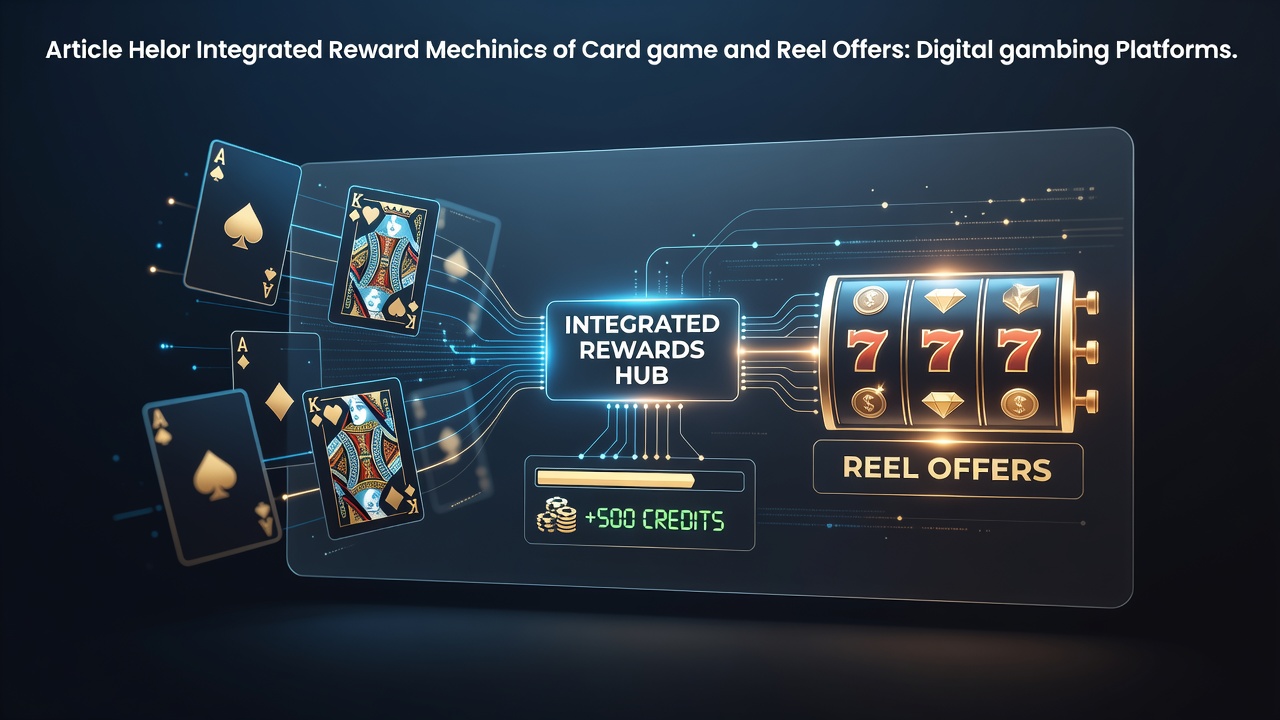
Digital gambling platforms have developed systems that connect blackjack participation with slot reel promotions through shared loyalty frameworks and cross-eligible incentives, and these structures allow players to accumulate points or credits from one game type that apply directly to the other. Operators implement these mechanics to encourage extended engagement across multiple verticals while maintaining compliance with regional regulations that govern bonus structures and wagering requirements.
Core Components of Linked Reward Systems
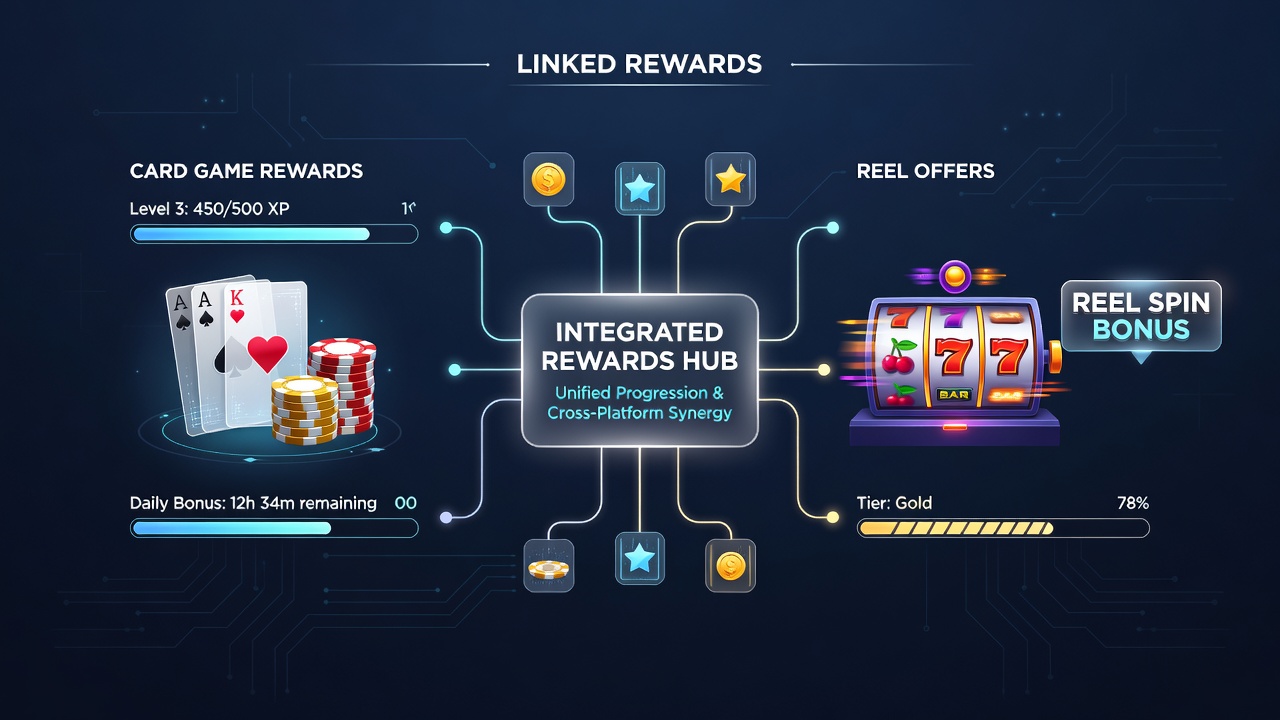
Many platforms track player activity through centralized accounts where blackjack hands contribute to a common points pool that unlocks reel-based free spins or deposit matches, and slot wagers simultaneously feed into card game bonuses such as reduced house edge periods or tournament entries. Data from platform analytics indicate that such integration increases average session duration because users move between game categories without resetting progress toward milestones, while regulatory bodies in jurisdictions like New Jersey require clear disclosure of how points convert between verticals.
One common approach involves tiered loyalty ladders where reaching a certain volume of blackjack wagers grants access to slot-specific multipliers, and the reverse path allows reel enthusiasts to earn entry into card tournaments. These pathways rely on real-time tracking algorithms that adjust offers based on individual play history, and observers note that the mechanics reduce the need for separate sign-ups for each promotion category.
Technical Implementation Across Platforms
Backend systems use unified player profiles that aggregate data from both card and reel engines, enabling seamless transfer of reward eligibility without manual intervention. For example, a player completing a blackjack wagering requirement might automatically receive reel credits that appear in the same balance interface, and platform operators report that this reduces support queries related to fragmented bonuses. In October 2026 several major sites expanded these features to include mobile-specific triggers, where location or device data further refines which cross-offers activate during a session.
Studies from industry research groups show that platforms employing these integrated structures experience higher retention rates compared to those offering isolated promotions, and the difference appears most pronounced among users who split time between table games and slots. The Alcohol and Gaming Commission of Ontario has published guidelines requiring operators to maintain transparent audit trails for all point transfers, ensuring that players understand conversion rates before committing funds.
Regulatory and Compliance Considerations
Jurisdictions vary in their treatment of combined rewards, with some requiring separate wagering conditions for card-derived and reel-derived bonuses even when housed under one account. Platforms address this by segmenting the reward pools internally while presenting a single user-facing dashboard, and this approach satisfies both operational efficiency and oversight demands. Reports from the American Gaming Association highlight that integrated systems must also accommodate self-exclusion tools that apply across all linked game types to prevent circumvention.
Academic examinations of player behavior data reveal that cross-vertical rewards can shift wagering patterns, with some participants increasing blackjack volume to unlock preferred slot features and others doing the opposite. These patterns emerge consistently in markets where operators have adopted unified tracking since the mid-2020s, and they inform ongoing refinements to how offers are presented to different demographic segments.
Future Developments in Cross-Game Incentives
Platform developers continue to test additional layers such as shared jackpot pools funded by both card and reel activity, and early implementations show measurable uptake in jurisdictions that permit such pooling. The New Jersey Division of Gaming Enforcement monitors these innovations for potential impacts on responsible gaming metrics, requiring periodic reporting on whether integrated rewards correlate with changes in play intensity. As of October 2026, several operators have introduced seasonal events that combine blackjack leaderboards with reel spin challenges under one prize structure, further illustrating the direction of current design trends.
Conclusion
Integrated reward mechanics represent a structural shift in how digital gambling platforms organize promotions across card and reel categories, and the systems rely on centralized tracking, regulatory-compliant disclosure, and data-driven personalization to function effectively. Evidence from multiple jurisdictions demonstrates that these approaches alter participation patterns while meeting oversight requirements, and continued technical evolution suggests further refinements will appear in coming regulatory cycles.