Algorithmic Personalization Reshaping Blackjack Rewards in Mobile Casino Networks
Avery Keller · Aug 5, 2026
Algorithmic Personalization Reshaping Blackjack Rewards in Mobile Casino Networks
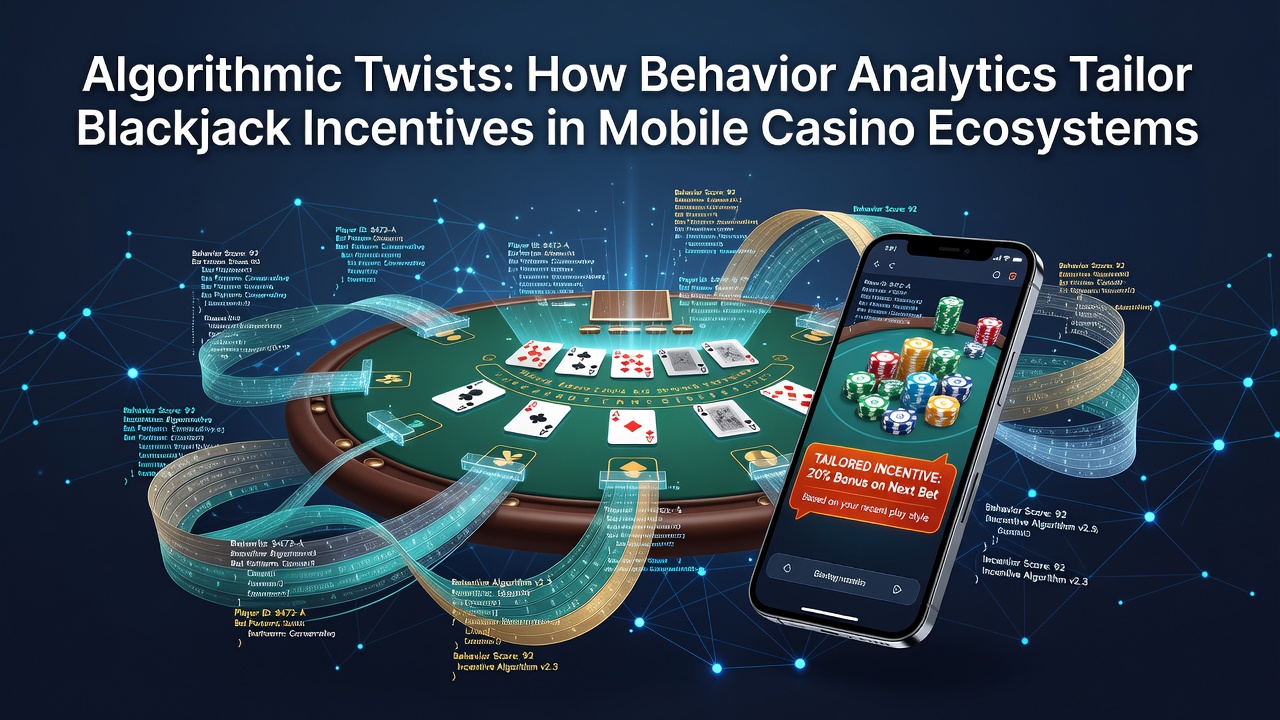
Behavior analytics platforms in mobile casino environments collect detailed data on betting patterns, session durations, game preferences, and response rates to previous offers, then feed this information into algorithms that adjust blackjack incentives in real time. These systems operate across multiple operators, where player profiles update continuously as users move between devices and sessions, and the resulting models determine bonus structures such as deposit matches, cashback percentages, and free-hand allocations tailored to individual risk tolerances and engagement histories.
Data Collection Mechanisms Driving Customization
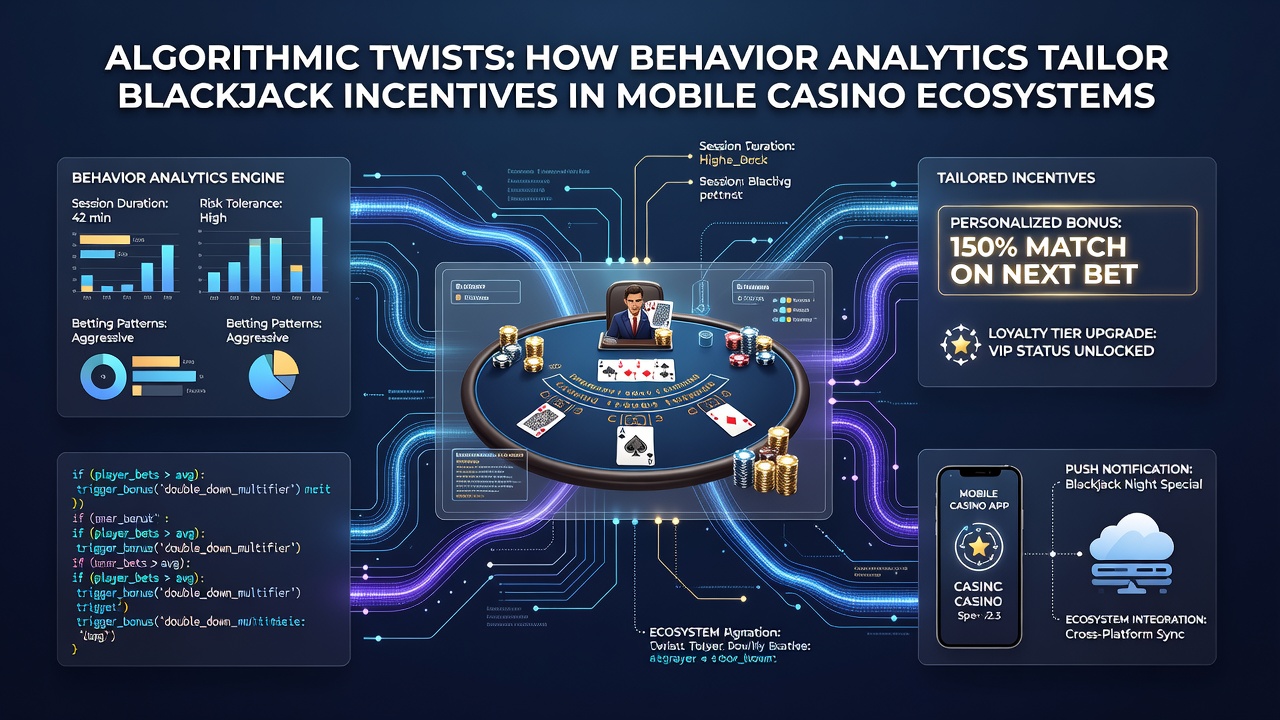
Telemetry from mobile applications records every wager size, decision speed, and win-loss sequence during blackjack play, while external signals like time of day, device type, and geographic location add further layers to each profile. Analysts at major platforms segment users into clusters based on these variables, and algorithms assign incentive tiers accordingly, so a player who consistently raises bets after losses might receive different reload offers than one who prefers conservative play. As of August 2026, several networks reported integrating machine-learning updates that refine these clusters weekly, allowing incentives to shift when new behavioral patterns emerge.
Segmentation Models and Incentive Allocation
Supervised learning models classify players according to predicted lifetime value and churn probability, then route promotional content through push notifications or in-app banners at moments when engagement metrics indicate higher acceptance likelihood. One documented approach links increased blackjack table time to escalating reward multipliers, yet teh same model reduces offer frequency for users showing signs of extended losing streaks to maintain regulatory compliance thresholds. Industry reports from the Nevada Gaming Control Board highlight how such segmentation has expanded across state-licensed mobile operators since 2024, with data flows shared among partnered platforms to create unified player journeys.
Real-Time Adjustment Processes
Dynamic pricing engines recalculate bonus parameters during active sessions, drawing on live data streams that capture changes in bet sizing or game-switching behavior. When a player transitions from low-stakes tables to higher denominations, the algorithm may trigger an immediate cashback boost or additional hands without deposit requirements, and these adjustments occur within seconds because the underlying models already hold precomputed response curves for similar profile shifts. Observers note that this responsiveness keeps participation steady across fluctuating market conditions, although the exact weighting of each variable remains proprietary to each operator.
Cross-Platform Data Integration Effects
Many mobile ecosystems connect blackjack data with activity from other game categories, allowing algorithms to detect when a user’s overall wagering volume declines and then deploy targeted blackjack incentives to recapture attention. A research paper published by the University of Nevada, Las Vegas Center for Gaming Research in 2025 examined how these linkages influence retention rates, finding measurable differences in session length when incentives reflected combined behavior across verticals rather than isolated blackjack metrics alone. Operators in regulated markets such as New Jersey and Pennsylvania have adopted similar frameworks, with state oversight requiring transparency reports on how player data informs promotional decisions.
Regulatory Oversight and Compliance Tracking
Canadian provincial regulators, including the Alcohol and Gaming Commission of Ontario, mandate periodic audits of algorithmic fairness in incentive distribution to prevent discriminatory targeting. These reviews examine whether behavior models inadvertently disadvantage certain demographic groups or encourage excessive play through overly aggressive personalization. Platforms respond by maintaining audit logs that reconstruct every incentive decision back to its source data points, and external reviewers verify that adjustments align with responsible gaming limits established in each jurisdiction.
Emerging Trends Through Mid-2026
Recent developments include greater use of reinforcement learning techniques that test incentive variations on small player cohorts before broader rollout, and early results indicate improved conversion when models incorporate social graph data from linked accounts. European operators under the Malta Gaming Authority have begun publishing aggregated statistics on incentive effectiveness, revealing that behavior-based blackjack offers produce higher fulfillment rates than static promotions across comparable user bases. These disclosures provide industry benchmarks while preserving individual privacy through anonymized aggregates.
Conclusion
Behavior analytics continue to refine how mobile casino platforms allocate blackjack incentives by processing granular player data into actionable segments and real-time adjustments. The frameworks described operate under increasing regulatory scrutiny across multiple jurisdictions, with ongoing integration of academic findings and compliance reporting shaping future implementations. As platforms expand these systems, the core mechanism remains consistent: algorithms translate observed patterns into personalized reward structures that respond to individual activity without relying on uniform promotional templates.